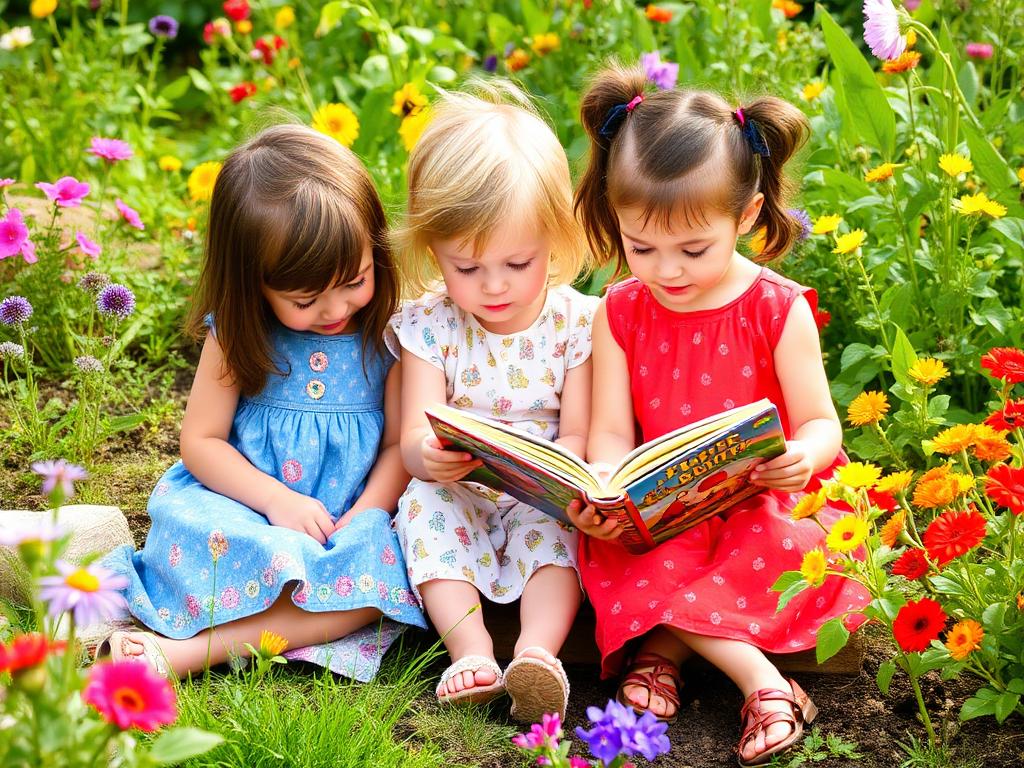
Introducing children to diversity through books is a powerful way to help them understand and appreciate different cultures, identities, and perspectives. These stories not only celebrate our differences but also highlight the things we all share, creating a strong foundation for empathy, kindness, and inclusion.
This guide lists 20 highly recommended children’s books about diversity, outlines key themes explored within them, and discusses the importance of diversity in early learning settings, in alignment with the National Quality Standard (NQS).
Top 20 Books About Diversity for Children
-
All About Diversity – Felicity Brooks & Mar Ferrero
A colourful and engaging introduction to diversity for young readers. -
Our Diversity Makes Us Stronger – Elizabeth Cole
A social-emotional story that encourages kindness and acceptance. -
The Same But Different – Molly Potter
Helps children explore differences and similarities in a supportive way. -
It’s OK to be Different – Sharon Purtill
A picture book that celebrates individuality and inclusiveness. -
We All Belong – Nathalie Goss
A heartfelt book about diversity, race, and empathy. -
The Kids’ Book of Diversity – Catherine Stephenson
Promotes respect for differences through kindness and empathy. -
A is for Activist – Innosanto Nagara
An ABC board book introducing themes of justice, activism, and equality. -
Counting on Community – Innosanto Nagara
Encourages young children to value community and shared responsibility. -
Antiracist Baby – Ibram X. Kendi
Introduces foundational concepts of equity and anti-racism in a child-friendly way. -
Ten Little Fingers and Ten Little Toes – Mem Fox
A beautifully illustrated celebration of babies from all around the world. -
Hello – Tony Flowers
Explores the variety of languages spoken in Australian homes. -
Good Night Stories for Rebel Girls – Jess Harriton
Features inspiring stories about diverse girls and young changemakers. -
Honeysmoke: A Story of Finding Your Colour – Monique Fields
A story of identity, culture, and the journey of self-discovery. -
I Am Whole – Shola Oz
Empowers children to embrace their identity and value their uniqueness. -
Our Skin – Megan Madison
Provides a helpful starting point for talking about race and skin tone. -
Love Makes a Family – Sophie Beer
Celebrates all types of families, united by love. -
Not Like the Others – Jana Broecker
A fun hidden picture book that promotes inclusion and acceptance. -
Pizza Planet – Shivangi Sharma
A delightful story exploring belonging and cultural identity. -
Pink Is for Boys – Robb Pearlmann
Breaks down gender stereotypes and encourages self-expression in every colour. -
I Can Do Hard Things – Gabi Garcia
Mindful affirmations that help children believe in themselves and respect others.
Main Themes Explored in These Books
These children’s books introduce and reinforce essential values through age-appropriate storytelling:
-
Inclusion & Belonging – Stories like We All Belong and The Same But Different highlight the importance of feeling accepted within diverse communities.
-
Cultural Identity – Books such as Honeysmoke and Pizza Planet celebrate heritage and self-discovery.
-
Empathy & Kindness – Titles like Our Diversity Makes Us Stronger and It’s OK to be Different teach children how to appreciate and embrace differences.
-
Social Justice & Activism – A is for Activist and Antiracist Baby offer early lessons in fairness and standing up for what is right.
-
Family & Community – Counting on Community and Love Makes a Family showcase the value of shared experiences and connections.
-
Overcoming Challenges – These stories foster resilience and emotional strength in unfamiliar or challenging environments.
-
Celebrating Differences – Encourages children to recognise and celebrate uniqueness in themselves and others.
Diversity and the National Quality Standard (NQS)
The National Quality Standard (NQS) in Australia outlines seven quality areas that guide early childhood education and care. Diversity and inclusion are embedded throughout the framework, ensuring that children of all backgrounds feel respected, supported, and connected.
Key NQS Connections:
-
Quality Area 1 – Educational Program and Practice
Programs should be responsive to each child’s background, identity, and experiences. -
Quality Area 5 – Relationships with Children
Focuses on respectful and equitable relationships that foster a strong sense of belonging. -
Quality Area 6 – Collaborative Partnerships with Families and Communities
Encourages educators to engage with families and the wider community to understand and reflect diverse perspectives.
Cultural Competence in Practice
Cultural competence is more than just acknowledging differences—it involves actively supporting inclusive practices. By incorporating books that explore identity, race, family structures, and diverse lived experiences, educators and parents alike can:
-
Nurture respectful attitudes in children
-
Encourage open, age-appropriate conversations about diversity
-
Build inclusive environments where every child feels seen and heard