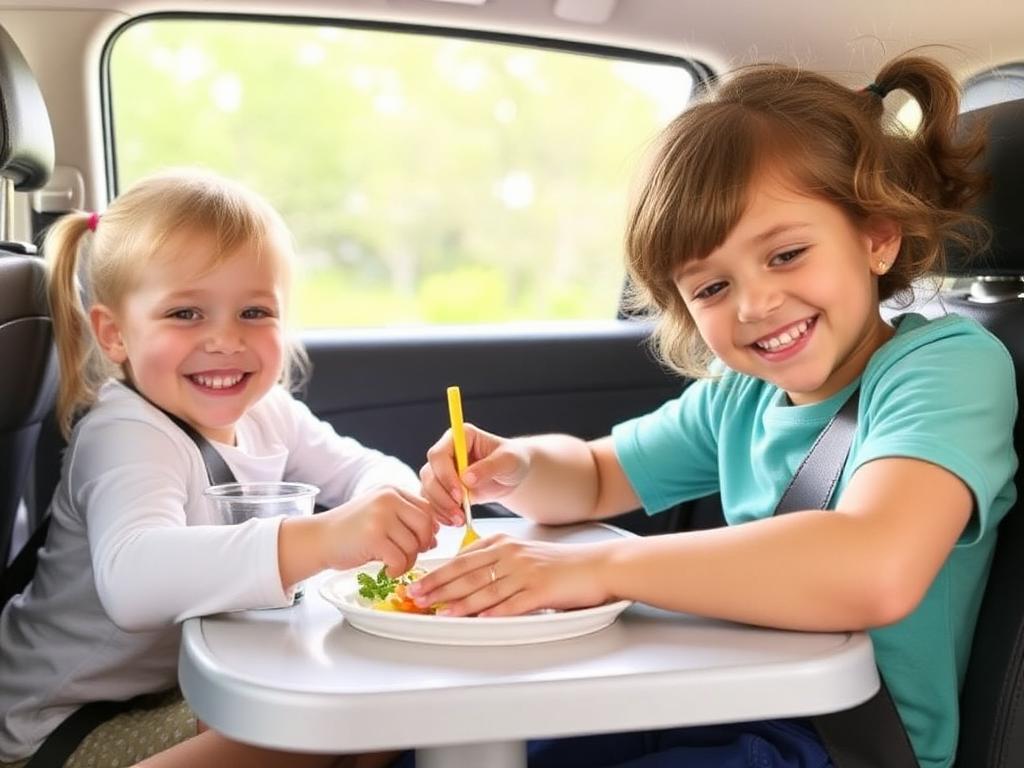
Developing fine motor skills in young children doesn’t require complex setups or hours of preparation. At First Foundation Preschool, an experienced early learning centre, we believe in simple, effective play-based activities. In this blog, we share our favourite fine motor activities for toddlers that busy families can do on the go.
Fine motor play doesn’t need to be fancy. With a few simple supplies and a touch of creativity, you can support your child’s development anywhere, anytime.
Why Fine Motor Skills Matter
Fine motor skills involve the small muscles in the hands and fingers. These are crucial for everyday tasks such as:
Holding pencils and crayons
Using cutlery and snack containers
Zipping coats and buttoning shirts
Tying shoelaces and managing backpacks
Fine motor activities for toddlers are especially important between the ages of 3 and 6, when children are primed to strengthen these skills. Practising fine motor tasks helps improve coordination, finger strength, and independence—setting them up for success at school and beyond.
Build Your Portable Fine Motor Toolkit
Pop a few of these items into your bag, car, or nappy bag so you’re always prepared with a quiet, hands-on activity:
Essentials:
Small pot of playdough or therapy putty
Safety tweezers or tongs
Pipe cleaners
Beads or buttons (use under supervision)
Sticker sheets
Mini colouring books and crayons
Lacing cards or shoelaces
Travel puzzles
Nice Extras:
Finger puppets
Magnetic sketch boards
Clothespins or pegs
Rubber bands
Tiny stapler (for older kids)
Simple Restaurant Activities That Actually Work
Dining out with children doesn’t have to mean screen time. Try these playful fine motor activities for toddlers instead—they’re fun, calming, and help build essential skills:
🧺 Napkin Origami – Teach your child to fold napkins into shapes like boats or flowers. It’s a fun way to build sequencing and motor planning.
🎨 Playdough Creations – Bring a small tub of dough. Encourage kids to roll snakes, stamp letters, or “cook” mini versions of your meal.
🌟 Stickers on the Menu – Kids love decorating! Peeling stickers boosts fine motor precision, while creating pictures on napkins or menus builds creativity.
🧃 Sugar Packet Patterns – With permission, gather sweetener sachets for your child to sort by colour or line up in patterns.
🐍 Pipe Cleaner Twisting – Quiet, mess-free, and endlessly bendable—perfect for letters, shapes, or mini sculptures.
🧠 Wikki Stix Play – These bendy wax sticks are excellent for forming letters and creatures, developing fine finger control.
🖍️ Mini Colour Kits – Keep a ziplock with crayons and colouring sheets. Colouring strengthens fingers and encourages early writing skills.
🧽 Pom-Pom Sorting – Give your child tweezers and pom-poms to sort into empty sauce cups by size or colour.
Quick Games Using Only Restaurant Supplies
Need an activity in a pinch? Use what’s on the table, following are some quick fine motor activities for toddlers:
🥤 Straw Games – Tear straws into pieces for threading, building, or sorting.
🖍️ Crayon Peeling – Encourage children to peel the paper off crayons. It’s trickier than it looks—and great for finger strength!
🧻 Menu Mazes – Draw simple mazes on paper menus for kids to trace with fingers or crayons.
🧂 Salt Drawing – Let them gently trace letters or shapes in a small pile of salt poured onto a napkin.
Fine Motor Activities for toddlers for the Car
Keep little passengers happy and learning with these car-safe options:
🧵 Lacing Cards – Use cards with holes and string for threading fun. Great for both hands and concentration.
🧰 DIY Busy Boards – Attach zippers, buttons, velcro strips or beads to a clipboard. It’s tactile, engaging and reusable.
✍️ Magnetic Drawing Pads – Mess-free doodling encourages hand control and pre-writing skills.
🧤 Finger Puppet Shows – Pop a few puppets into a pouch. They’re brilliant for finger isolation, storytelling and imaginative play.
📎 Clothespin Challenges – Kids can peg them onto cups, car organisers, or make “feeding games” with paper scraps.
🌀 Fidget Fun – Fidget toys, pop tubes and squishy balls offer soothing sensory input and keep fingers busy.
🥣 Snack Sorting – Give your child a snack mix and ask them to sort by shape or colour. Bonus: they get to eat it afterwards!
Activities by Age
👶 Ages 2–3: Focus on large movements—big crayons, chunky stickers, stacking blocks and toys with cause-and-effect. These are excellent fine motor activities for toddlers that also promote independence.
🧒 Ages 4–5: Try threading, beginner puzzles, simple scissors, and sticker scenes.
👧 Ages 6+: Introduce smaller pieces, detailed colouring, and more challenging lacing or folding activities.
🧠 OT Tip: Match the activity to your child’s current ability, not their age. Too easy gets boring, too hard causes frustration. Follow your child’s lead and celebrate their effort over outcomes.
Why These Little Moments Matter
Every time your child peels a sticker, builds with pipe cleaners, or rolls playdough while waiting for their meal, they’re not just passing time—they’re laying the groundwork for writing, self-care, and independence. These moments are mini workouts for developing brains and hands.
Best of all, your child sees these tasks as play, not practice—which is exactly what makes them so powerful.
So next time you’re packing for a trip, heading to a café, or stuck in traffic, reach for your fine motor toolkit and turn downtime into growth time. Your child will be too busy having fun to realise how much they’re learning.