
Encouraging Independent Play In Young Children
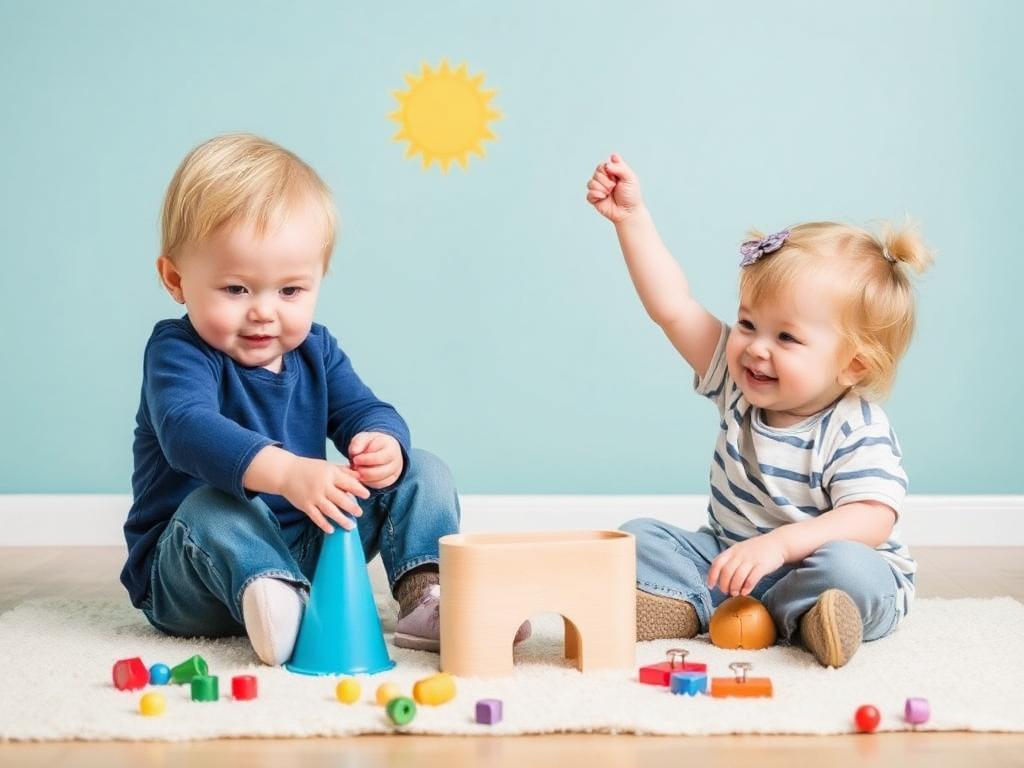
Encouraging Independent Play in Young Children
There's a particular kind of magic in glancing over and realising your child has been quietly absorbed in their own little world for the last ten minutes - building, imagining, completely lost in whatever they're doing. If that feels rare at your place right now, you're not doing anything wrong. Independent play is a genuine skill, and like any skill, it takes a bit of practice to build.
Why Independent Play Is So Worth Encouraging
- 🎨 It builds real creativity. Without someone else directing the game, children are free to imagine, explore, and invent in their own way.
- 🧩 It builds problem-solving. Working through a challenge on their own - how to balance that last block, where the missing puzzle piece goes - builds genuine critical thinking.
- 💪 It builds confidence. Children learn they're capable on their own, not just when someone's guiding every step.
- 💛 It supports emotional regulation. Solo play gives children space to process feelings and develop their own self-soothing strategies.
- 🎯 It improves focus. Without constant interruption, children often concentrate more deeply than we'd expect.
- ☕ It gives you a breather too. While your child plays independently, you get a few genuine minutes to handle something else - or just rest.
Practical Ways to Encourage It
- Create a "yes space." A safe little area where your child can explore freely without needing constant supervision.
- Start together, then step away. Begin the activity with them, then gradually withdraw and let them take the lead.
- Choose open-ended toys. Blocks, playdough, magnets, and animal figurines spark far more independent creativity than toys with only one "right" way to play.
- Turn everyday tasks into play. Sweeping, folding, sorting - let them join in playfully; it builds independence without even trying.
- Try gradual separation. Sit nearby while they play, then slowly move a little further away as their confidence grows.
- Build it into your routine. When independent play becomes a predictable part of the day, children start to expect - and enjoy - it.
- Offer an open-ended prompt. Something like "Can you build a city?" or "Where's your toy going today?" is often all it takes to spark twenty minutes of imagination.
- Praise the effort, not just the outcome. Noticing and acknowledging their independent play reinforces the habit.
- Use a timer, gently. Start with a short stretch and build it up gradually as their attention span grows.
- Add a theme. Being a "scientist," "explorer," or "artist" for the afternoon keeps solo play exciting rather than repetitive.
If Your Child Struggles With It, You're Not Alone
Independent play doesn't come naturally to every child, and that's completely okay. A few common reasons it might feel harder for yours:
- Separation anxiety - some children genuinely find it tough to be without your attention nearby.
- Limited practice - if your child's used to constant interaction, solo play is simply a newer skill to build.
- Overstimulation - too many toys, or a noisy environment, can make it hard to settle into one thing.
- Fear of "getting it wrong" - some children feel safer with an adult guiding every step.
- A preference for social play - some kids are simply more energised by playing with others, and that's a genuine personality trait, not a problem to fix.
Understanding why your child finds it tricky often makes it much easier to gently build their confidence over time.
Building the Habit, Gently
- Start with "special play time." Let your child lead a short session with your full attention first - this builds trust before you start stepping back.
- Set up a play-friendly space. Easy access to paper, crayons, building sets, or soft toys makes independent play far more inviting.
- Extend it gradually. Short, timed sessions build stamina and comfort with being alone, bit by bit.
- Let them lead. Try not to direct every step - genuine independence comes from making their own small decisions.
- Keep routines predictable. A child who feels secure and knows what's coming next is far more likely to explore confidently on their own.
How Independent Play Changes as Your Child Grows
- Infants (0–12 months): Sensory exploration - grasping, mouthing, shaking, and watching objects.
- Toddlers (1–3 years): Simple solitary play with blocks, toy animals, or stacking cups.
- Preschoolers (3–5 years): Imaginative and pretend play take over - stories, roleplay, and a lot of talking to toys.
- Early school age (5–7 years): More structured play - puzzles, building kits, drawing.
- Older children (8+): Independent hobbies like reading, painting, building, or craft projects.
The Bottom Line
Independent play isn't about keeping your child busy so you get a break (though that's a genuinely nice side effect). It's about helping them become self-motivated, imaginative, and quietly confident in their own company - a skill that serves them well long after the preschool years.
Curious how independent and guided play work together in our program?
Want to see how we build this into everyday play at First Foundation? Book a Free Tour today.
Have a question? Call us on (02) 9631 6857.