
The Value of Play: Why It's Not "Just" Play
The Value of Play: Why It's Not "Just" Play
If you've ever picked your child up from preschool and asked, "What did you learn today?" only to get a shrug and "I just played" - we get why that might feel a little unsatisfying to hear. But here's the thing: that "just playing" is, quite genuinely, the most important learning your child will do all day.
Why Play Actually Matters
Play isn't a break from learning. It's how young children do their learning - and it works across every part of their development at once:
🧠 Thinking and problem-solving. Puzzles, blocks, and pretend scenarios build real critical thinking and creativity.
🤝 Social skills. Sharing, taking turns, negotiating who gets to be the dragon - this is where children genuinely learn to get along with others.
💛 Emotional wellbeing. Play gives children a safe way to work through feelings, try out different scenarios, and build real emotional resilience.
🏃 Physical development. Running, climbing, and jumping build motor skills, coordination, and overall fitness.
🗣️ Language and communication. Storytelling, role-play, and chatting with friends expand vocabulary and confidence in speaking.
🎨 Creativity and imagination. Pretend play and open-ended building let children explore new ideas and think outside the box.
What "Play" Actually Means
At its core, play is simple: it's something a child chooses to do, purely because it's enjoyable - not because there's a reward at the end, and not because someone told them to. That's actually what makes it so powerful. Because it's voluntary and genuinely fun, children stay engaged far longer, and far more deeply, than they would with something forced.
The Different Ways Children Play
You'll see all sorts of play styles show up throughout your child's day, and each one builds something a little different:
- Physical play - running, climbing, dancing
- Imaginative play - pretend scenarios, dress-ups, storytelling
- Social play - games and activities with friends
- Constructive play - building with blocks, drawing, crafting
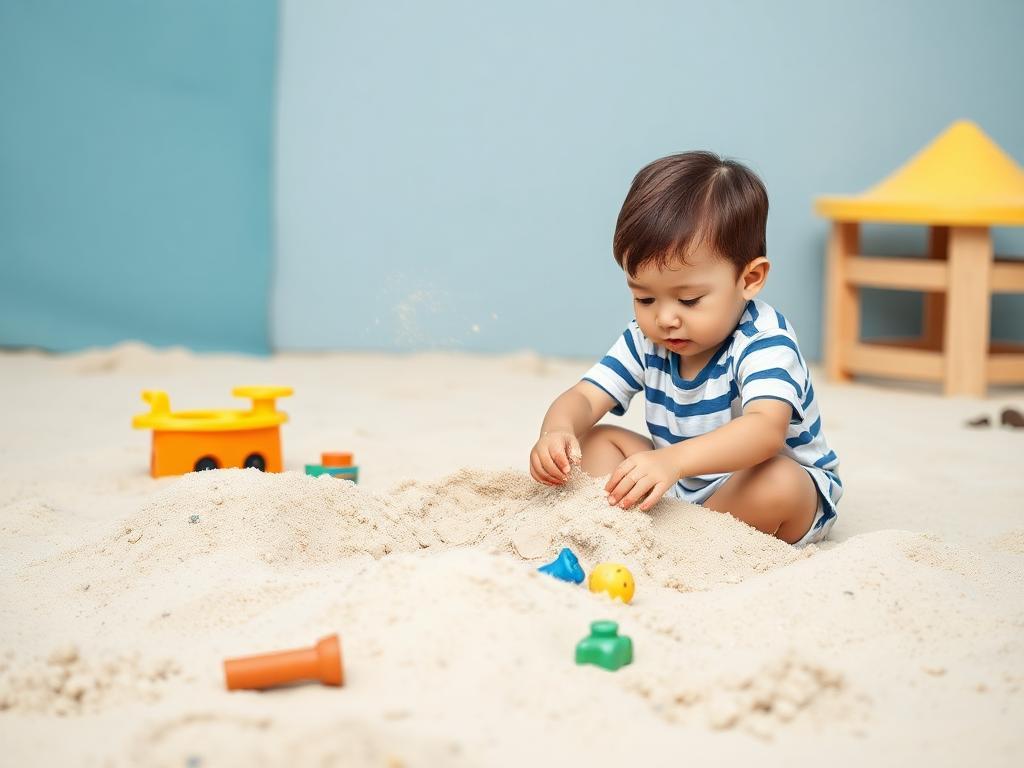
- Exploratory play - discovering sand, water, nature, new textures
A rich, well-rounded day genuinely touches on several of these - not just one.
What Happens When Play Gets Squeezed Out
It's easy to assume less play just means a slightly less fun day. But research consistently shows it's a bit bigger than that. Children who don't get enough genuine play time can struggle more with social skills, emotional regulation, and even concentration and problem-solving later on. It's one of the reasons we protect real, unstructured playtime so deliberately in our program - it's not "extra," it's essential.
How This Fits Into Our Curriculum
The Early Years Learning Framework - the national framework we follow - is built around three big ideas: Belonging, Being, and Becoming. Play sits right at the centre of all three:
- Belonging - play helps children explore who they are and how they connect with others.
- Being - play supports genuine wellbeing, letting children express themselves and simply enjoy the moment.
- Becoming - play builds the confidence, curiosity, and communication skills children carry forward into everything else.
(New to the EYLF? [Read our full parent's guide here].)
Our educators don't just let children play and step back - they thoughtfully set up environments, ask good questions, and gently extend what children are already curious about. That's genuinely the art of what we do.
How You Can Encourage Play at Home
Play doesn't need expensive toys or elaborate setups - just a bit of time, attention, and a willingness to get a little silly together. A few simple ways to build more of it into your everyday routine:
- Set aside dedicated playtime, screen-free, even just for twenty minutes a day.
- Offer open-ended toys and materials - blocks, art supplies, dress-ups - that spark creativity rather than a single "right" way to play.
- Join in. Playing alongside your child, even briefly, shows them their interests genuinely matter to you.
- Get outside - a walk, the playground, or just digging around the backyard all count.
- Let your child lead. Follow their cues rather than directing every step, and let their imagination steer the activity.
Our Role in Supporting Great Play
At First Foundation, this means:
- Creating safe, well-resourced spaces for lots of different kinds of play
- Watching closely to understand what each child is genuinely interested in
- Balancing planned activities with plenty of free, child-led play
- Encouraging cooperative play and gently guiding children through small conflicts
- Bringing cultural diversity and different family backgrounds into everyday play
Want to see the value of play in action for your child? Book a Free Tour of First Foundation Preschool today.
Have a question about our play-based approach? Call us on (02) 9631 6857.