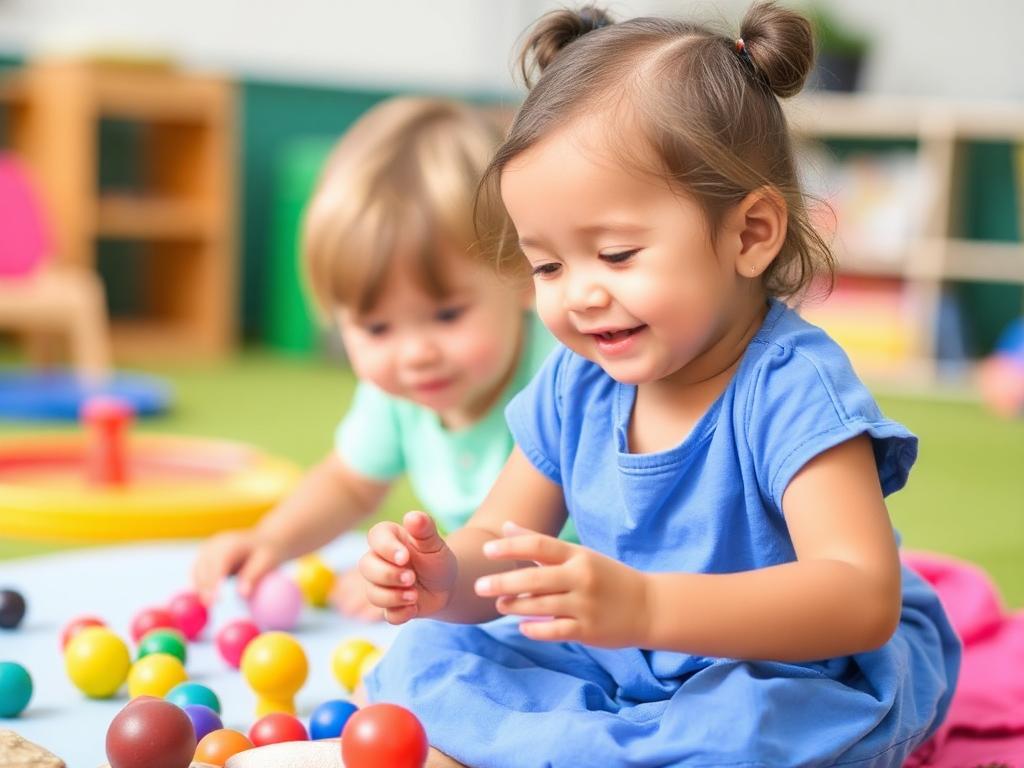
The role of play in child development goes far beyond just having fun—it is essential for learning, growth, and overall wellbeing. Through play, children make sense of their world, develop important life skills, and build emotional resilience. For both families and educators, recognising the value of play helps create an environment where children can thrive. This highlights the importance of play based learning for kids in everyday life.
Why Is Play Important?
Play underpins every aspect of a child’s development. It lays the foundation for learning, creativity, social interaction, and emotional wellbeing. By engaging in play, children learn to solve problems, form relationships, express themselves, and adapt to different situations. This clearly shows how learning through play supports all areas of development. These skills are part of a strong early learning foundation.
The key benefits of play include:
-
Boosting Brain Development – Enhances creativity, cognitive skills, and curiosity.
-
Enhancing Social Skills – Teaches communication, empathy, cooperation, and turn-taking.
-
Encouraging Physical Health – Strengthens muscles, improves coordination, and supports overall physical development.
-
Fostering Emotional Growth – Provides an outlet for expression, reduces stress, and builds self-confidence.
-
Inspiring Imagination and Creativity – Encourages storytelling, pretend scenarios, and inventive thinking.
Types of Play & Their Benefits
Different kinds of play support various aspects of a child’s development. These activities demonstrate the role of play in child development across different learning areas. It’s important to include a variety of play experiences in a child’s daily routine:
-
Free Play (Unstructured and self-directed): Encourages independence, decision-making, and creative thinking.
-
Outdoor Play: Builds physical strength, promotes gross motor skills, and connects children with nature.
-
Pretend Play: Supports problem-solving, emotional expression, and role exploration.
-
Sensory Play (e.g., painting, building, playing with sand or water): Enhances fine motor skills and supports brain development.
-
Board Games and Puzzles: Develops logical thinking, patience, and collaborative skills.
Each type of play contributes uniquely to a child’s holistic development and reinforces learning through hands-on experience.
How Families Can Encourage Play
Families play an essential role in nurturing a playful and engaging home environment. Encouraging play doesn’t require expensive toys—just time, attention, and a willingness to explore alongside your child. Parents can support learning through play by creating simple opportunities at home.
Here are some simple ways families can support meaningful play:
-
Set aside dedicated playtime every day, free from screens.
-
Offer open-ended toys and materials that inspire creativity and problem-solving.
-
Join in the fun—playing together strengthens your bond and shows your child their interests are valued.
-
Encourage outdoor adventures, whether it’s a walk in the park, a trip to the playground, or gardening in the backyard.
-
Let your child lead—follow their cues, and allow their imagination to guide the experience.
Final Thoughts
Play is far more than a pastime—it’s a powerful learning tool and a key part of childhood. By embracing the importance of play, families support their child’s development, wellbeing, and love of learning. Through simple, everyday moments of play, children discover who they are and what they’re capable of becoming.